International Women in Engineering Day celebrates the accomplishments of female engineers worldwide and recognizes their impact as builders, developers, and designers of major infrastructure projects. Women have been making significant contributions in the field of engineering since as far back as the 11th century. Although women were not admitted into higher education until the mid-1800s with limited studies to pursue, it did not stop them from making lasting contributions to the industry. In 1879, Elizabeth Bragg became the first woman to graduate from an American university with a civil engineering degree. This was a breakthrough not only for women in engineering, but also for women’s progress overall.
The Women’s Engineering Society (WES) was founded on June 23, 1919, by a small group of pioneering women from the National Council of Women. Originally formed to support women entering the work force while men fought in World War I, the society helped open doors in traditionally male-dominated fields like engineering. These trailblazers worked to promote engineering as a rewarding profession for women as well as men – a legacy that continues today.
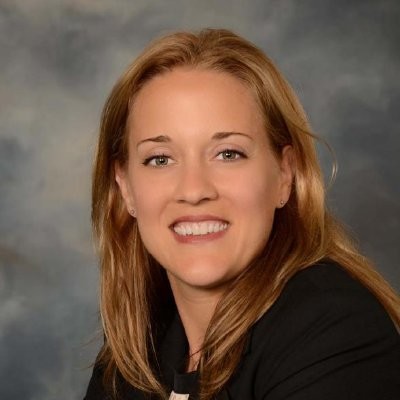
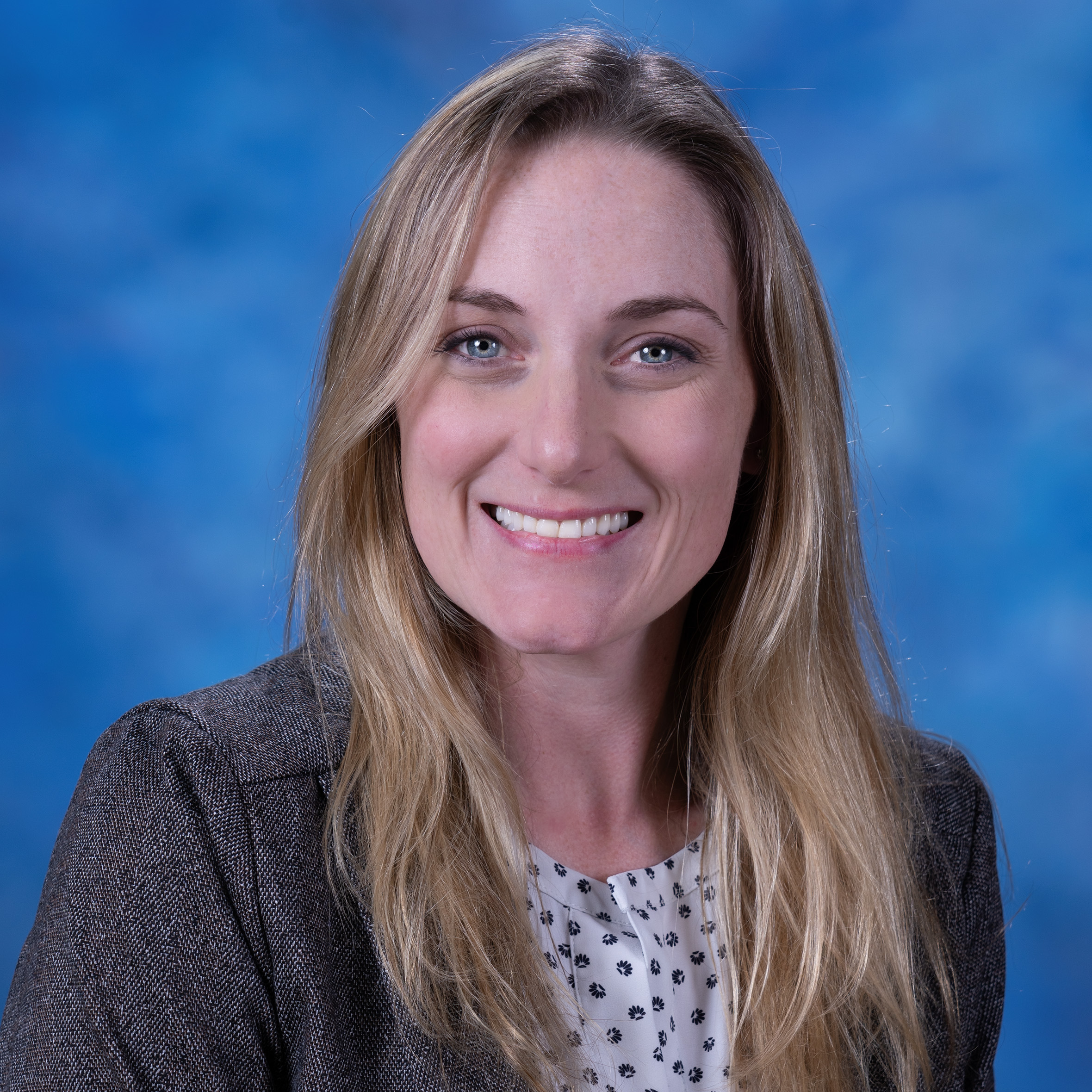
In honor of this important day, we are thrilled to spotlight just a few of Energy Transfer’s female engineers in the Northeast: Lauren Tilley, Monica (Styles) McQuillan, and Amanda LeeMasci. These women have dynamic experience in roles ranging from project planning and construction to operations management. They also collaborate with other talented men and women engineers across the company, helping to drive innovation and excellence in everything we do.
Lauren: Senior Manager, Integrity Projects
Monica: Director, Engineering & Construction (E&C) Environmental
Amanda: Staff Engineer

Engineer Lauren, Senior Manager, Integrity Projects
Lauren: I enjoy collaborating with my team and others at Energy Transfer to overcome obstacles and execute successful projects. Project work is unique in that every new project has a fresh start, which allows you to leverage lessons learned, continuously improve, and get better at your craft. Similarly, every project has a distinct end, which offers the opportunity to look back and realize accomplishments. Over the years, Energy Transfer has provided me with the opportunity to work on many challenging and exciting projects in both Engineering & Construction, and my current role supporting Operations.
Monica: I have been with Energy Transfer/a family affiliate for almost 23 years now. What I enjoy most about working with Energy Transfer is being involved in a wide range of diverse projects. Each project brings its own set of goals and obstacles, and I enjoy navigating those alongside a team of knowledgeable people across different disciplines. This environment not only enhances project outcomes but also helps me to continue to grow as an individual by exposing me to new perspectives and approaches.
Energy Transfer’s dedication to their employees is what has motivated me to stay. Energy Transfer puts a strong emphasis on safety and environmental responsibility while focusing on operational excellence and innovation. It’s hard to find a company that prioritizes both sides of that equation.
Amanda: What I enjoy most about my role is the opportunity to bring a team together to successfully deliver a project. There’s a real sense of accomplishment in navigating challenges and seeing a project through to completion, especially when it contributes to the growth and success of the company. I also value the people I work with. Energy Transfer has a strong team culture, and working with dedicated, knowledgeable colleagues is a big part of what keeps me motivated.
Lauren: My typical day involves a variety of team meetings, phone calls and emails. Projects require a significant amount of collaboration and communication with others across the organization. We manage the entire project process, including scoping, budgeting, construction, cost, scheduling, quality, compliance, and final documentation.
Monica: In my role, no two days are the same, but a typical day involves a balance of planning, regulatory compliance and field coordination. I usually start by reviewing project updates, permit statuses and any compliance related items/deadlines. Much of my time is spent coordinating with the project teams to ensure environmental requirements/expectations are understood and integrated into the project planning and execution. As part of E&C’s initiative to be visible and involved at the field level, I try to [visit] project sites as often as possible.
Amanda: A typical day involves a mix of meetings and fieldwork. I spend a lot of time coordinating with different teams, bringing the right people together to make decisions, solve problems, and keep things moving. I meet regularly with my team to check on construction progress and with management to provide updates and align on direction. Depending on the day, I might also be in the field checking progress, conducting safety walks, or joining crews for a Job Safety Analysis.
Lauren: Over the years, I have been afforded the opportunity to grow the depth and breadth of both my engineering and management experience through exposure to a large variety of projects with increasing complexity and responsibility. Through these experiences, I have gained confidence in my judgment and my abilities as a leader.
Monica: Since starting in my current role, I’ve continued to develop a deeper understanding of the regulations and permitting processes, and I’ve become more strategic in how I approach compliance – focusing not just on meeting requirements, but on adding value to projects through early planning and proactive solutions. Most importantly, I’ve embraced a mindset of continuous learning. In my field, regulations and expectations are always changing…staying ahead of those changes, while helping others do the same, has become an important part of how I work.
Amanda: One of the biggest areas of growth for me has been learning how to adapt my communication depending on who I’m working with, whether it’s field crews, project stakeholders, or senior leadership. I’ve learned the importance of understanding different perspectives and making sure everyone stays informed and aligned. I’ve also learned how to be more comfortable when asking for help. When I first started in the industry, I felt like I needed to prove I had all the answers, but I’ve come to realize how valuable it is to lean on the experience and knowledge of others. That shift has made me a stronger team player and a more confident leader.