

Ten years ago this month, something remarkable happened along the Delaware River in Marcus Hook, Pennsylvania. A large vessel docked at Energy Transfer’s Marcus Hook Industrial Complex—today known as the Marcus Hook Terminal—but instead of bringing crude oil to the former refinery site, it was preparing to export a new kind of American energy to the world.
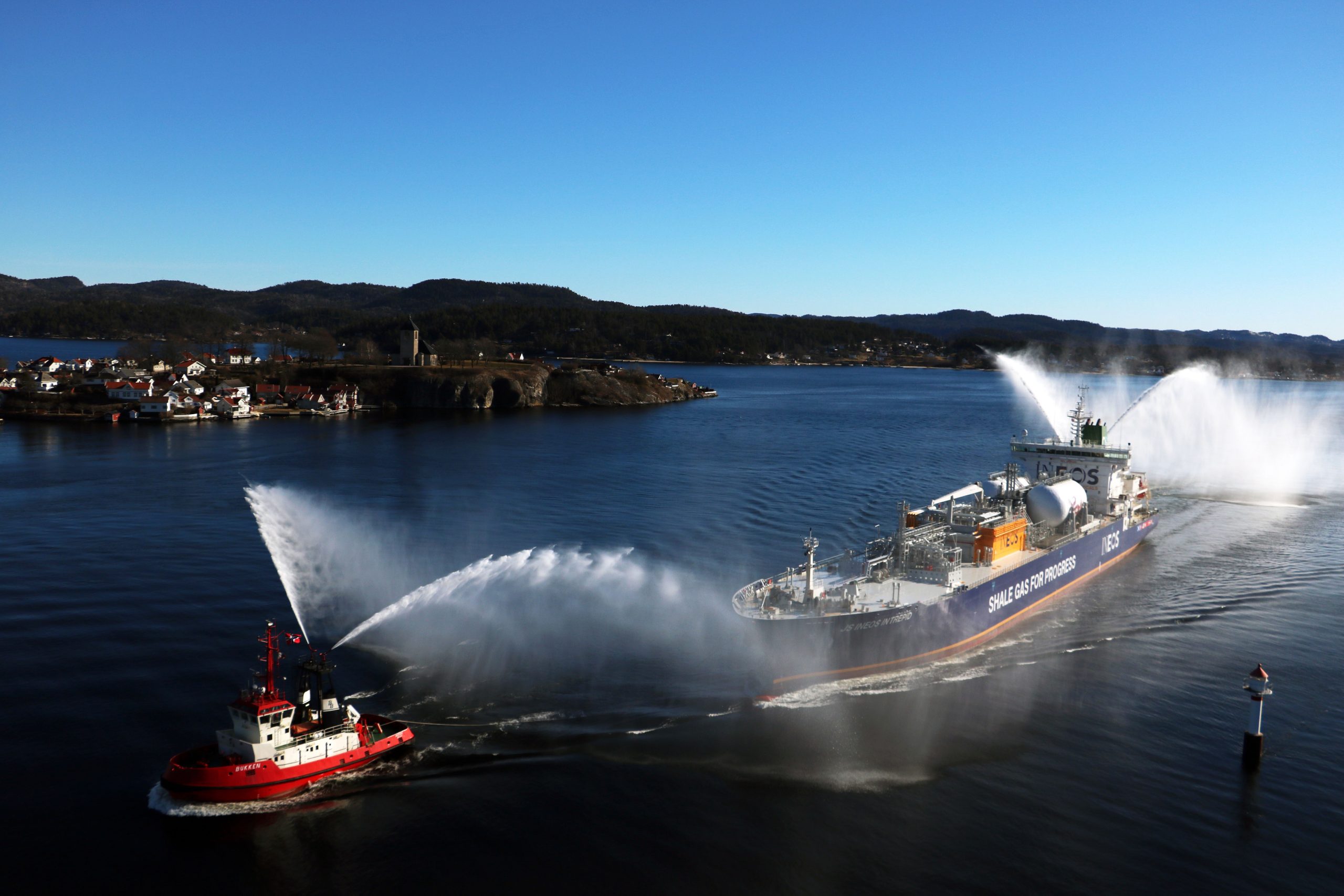
On March 9, 2016, the INEOS Intrepid departed Marcus Hook carrying ethane bound for Norway, where it was welcomed with a fireboat parade. The voyage marked the first time refrigerated ethane had been exported from the U.S. to Europe, paving the way for the now-thriving U.S. natural gas industry.
Ethane is a critical building block of modern life. When “cracked” into ethylene, it becomes the foundation for countless everyday products, including plastics used in healthcare, automobile parts, clothing, food packaging and mobile phones, to name just a few. Many of these products are currently manufactured overseas and shipped back to the U.S. as finished goods.
Today, the outlook for Marcus Hook is brighter than ever. Energy Transfer is currently expanding the terminal’s ethane chilling capacity, ultimately increasing the amount of ethane it can move to customers around the world.
How We Got Here
About 20 years ago, large reserves of natural gas and NGLs, including ethane, were first discovered in the Marcellus and Utica shale formations in Pennsylvania, Ohio and West Virginia. The problem was that the surplus of ethane had nowhere to go, stifling the production of natural gas until the ethane found a home.
“There were natural gas wells in the Marcellus and Utica regions, creating jobs and opportunities, but there was an ethane offtake problem,” said Rich Billman, Senior Vice President of Business Development at Energy Transfer. “Once we moved ethane out through our Mariner West and Mariner East pipelines and found a home, it opened up the door to get other products to domestic markets more reliably and efficiently – including natural gas, propane, butane and natural gasoline.”
Billman also noted that Marcus Hook has the only ethane truck rack in the nation, if not the world, supplying domestic markets by truck. Importantly, overseas exports do not reduce local supply. Additionally, ethane transported through Mariner East can power facilities like the CPV Fairview Energy Center, an electricity generation plant in Cambria County, Pennsylvania, when needed.
“Others across the industry were waiting for us to move to the next stage of development at Marcus Hook to relieve the logjam of products in the Appalachian Basin,” said Ed Human, Energy Transfer’s Vice President of Marcus Hook Terminal Operations. “By utilizing Mariner East, producers can effectively move both natural gas and other liquids coming from the ground. It opened a huge opportunity for the Marcellus and Utica basins.”
INEOS now ships ethane to multiple locations across the globe and has built its European business largely around feedstock coming from Marcus Hook. This has major environmental benefits because cracking ethane, a lighter hydrocarbon, has a significantly lower carbon footprint than cracking naphtha, which is predominantly used in Europe.
At the time of the first shipment in 2016, INEOS founder and chairman Jim Ratcliffe called it “an important day for INEOS and Europe,” noting that access to U.S. shale resources could help revitalize European manufacturing.
The growth has been significant. Over the past decade, annual ethane shipments from Marcus Hook have tripled, growing from 6.7 million standard barrels in 2016 to 26.8 million standard barrels in 2025 – and there is more growth on the horizon.
What’s Next
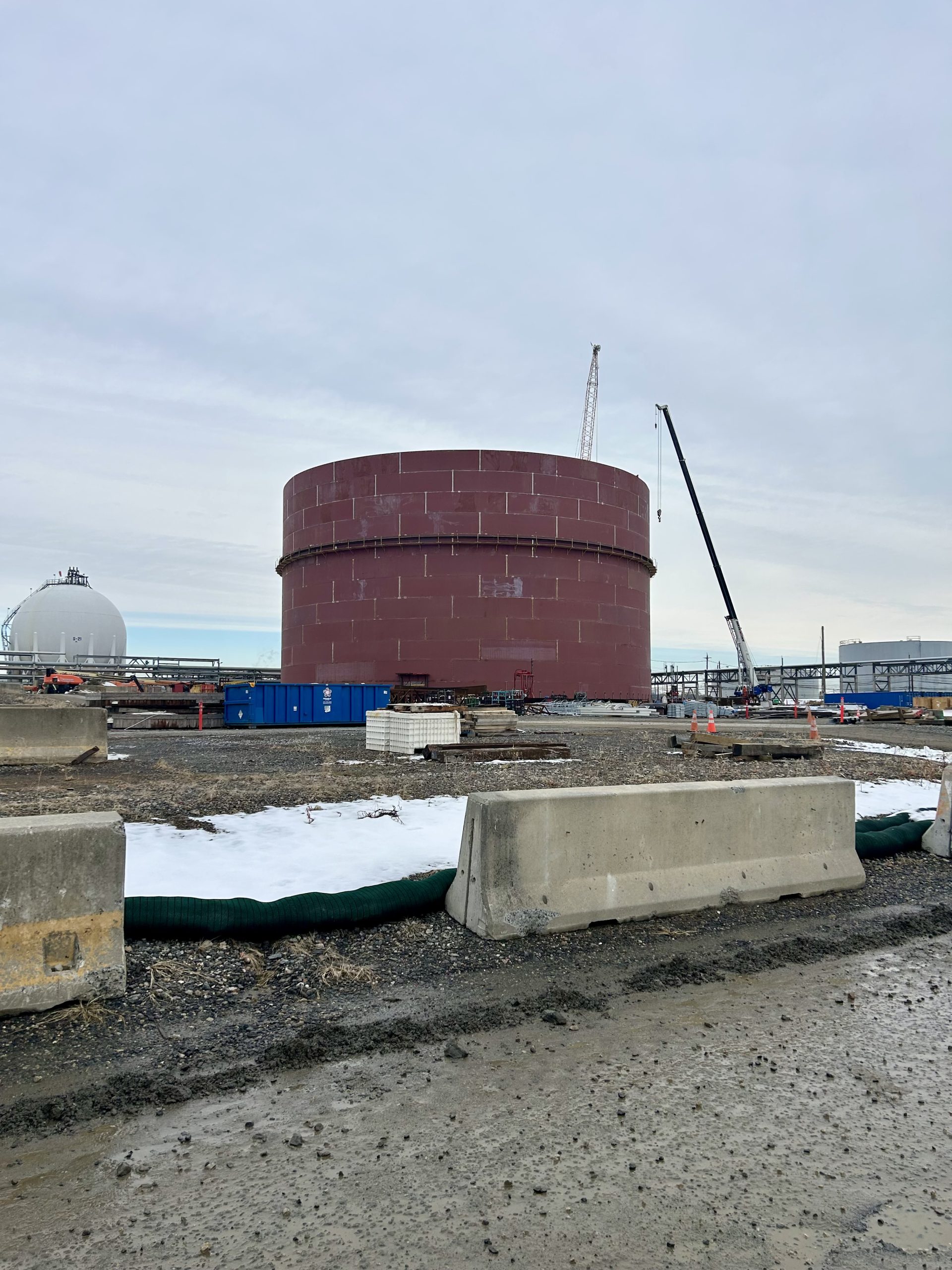
Construction crews are currently working on an ethane expansion at Marcus Hook, including the addition of a new ethane storage tank designed to accommodate larger, more efficient refrigerated vessels. Local contractors across various trades are on site each day, supporting dozens of jobs and a boost for the local economy.
Once complete, the new tank will increase the terminal’s capacity to process and store ethane received through the Mariner East pipeline system, which terminates in Marcus Hook. This upgrade will help Energy Transfer manage energy supply more efficiently while supporting industries that depend on these critical materials.
The expansion is expected to increase export capacity by about 20,000 barrels per day, further strengthening Marcus Hook’s role in connecting the abundant resources of the Appalachian Basin with global markets.