
At the epicenter of the American economy is the natural gas industry. It powers more than just homes and businesses – it fuels economic opportunity nationwide. The natural gas industry is responsible for 9.8 million jobs (5.6 percent of total employment), including direct and related jobs like pipeline construction, equipment manufacturing and transportation. Natural gas liquids (NGLs) such as ethane, propane and butane play a pivotal role in the creation of everyday essentials like plastics, building materials and pharmaceuticals, with the sector employing 850,000 individuals. Propane provides reliable heating for 5 million homes and businesses nationwide, especially useful for those living in rural areas where natural gas is limited. Ammonia, also derived from natural gas, is a crucial fertilizer, ensuring food security for millions.
Energy Transfer is committed to enriching the communities where we operate, and its people, by fostering economic growth and generating abundant job opportunities through the development of these versatile natural gas liquids used in daily living.
In the northeast United States, we operate more than 8,200 miles of pipeline infrastructure and various types of energy infrastructure and facilities, including terminals and gathering systems. In Pennsylvania alone, we currently operate approximately 3,000 miles of pipelines and associated assets, including our Marcus Hook Terminal.
This February, PA Governor Josh Shapiro revealed the state’s first long-term economic development strategy in almost two decades. By focusing on Pennsylvania’s unique strengths, including abundant natural gas reserves, close proximity to major U.S. markets and low cost of doing business, this roadmap to success enhances the “Keystone State’s” competitiveness to become a leader in economic development, innovation and job creation for years to come.
Energy Transfer has made substantial investments in expanding our operations throughout the northeast, with a particular focus on Pennsylvania. These investments include the construction of the Mariner East system and the ongoing development of the Marcus Hook Terminal (MHT), the premier hub for natural gas liquids on the East Coast.
The Mariner East system had an estimated $9.1 billion in economic impact, employed more than 10,000 Pennsylvania tradespeople, generated more than 30 million man hours of work in construction, engineering, survey work and environmental inspections and invested billions of dollars across the commonwealth, leading to an estimated $140 to $210 million in ongoing annual tax payments.
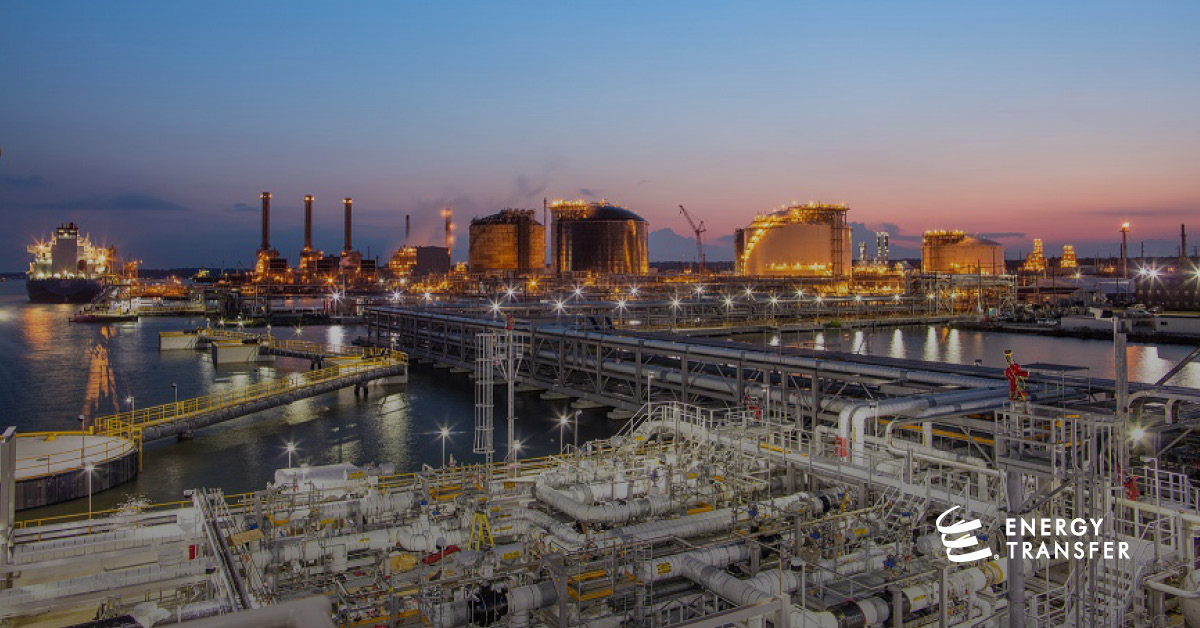
MHT continues to revitalize Delaware County and has transformed the former refinery into a world-class NGL hub. Ongoing improvements at the facility have required nearly 9 million man hours, involving more than 5,000 individual workers. The increased operations at MHT with the completion of the Mariner East pipeline system contribute $1.2-$1.4 million in state taxes each year and generates additional economic activity throughout the Commonwealth.
To meet the energy needs of our nation, Energy Transfer is continually evaluating ways to add additional processing capacity at the MHT. We have recently begun construction on our Ethane Chilling Expansion project, which will add processing equipment to the terminal to increase the existing ethane chilling capacity. This project will generate nearly 100 construction jobs at the Marcus Hook Terminal further stimulating local and national economies.
Our ongoing investment in the MHT and assets throughout the northeast signifies our commitment to both Pennsylvania’s Economic Development Strategy and the broader national economic growth. The natural gas liquids industry, through projects like Mariner East and at the MHT, is not just powering our daily lives, it’s propelling America’s economic engine forward.